
A useful home product earns its space by making a repeated task easier. It might keep a cabinet from turning into a pile, stop water from collecting behind a faucet, make a dark hallway safer at night, or give frequently used items a predictable place to land. This guide is built around that kind of practical value: small upgrades that make a home easier to maintain without turning every room into a storage project.
Start With Friction Points
Before buying organizers or cleaning gadgets, notice where mess repeats itself. The best target is a place that becomes disorganized even after you clean it: under a sink, inside a junk drawer, near the entry door, beside the bed, or around charging cables. Products that address these recurring zones tend to be more useful than decorative storage that looks good only when empty.
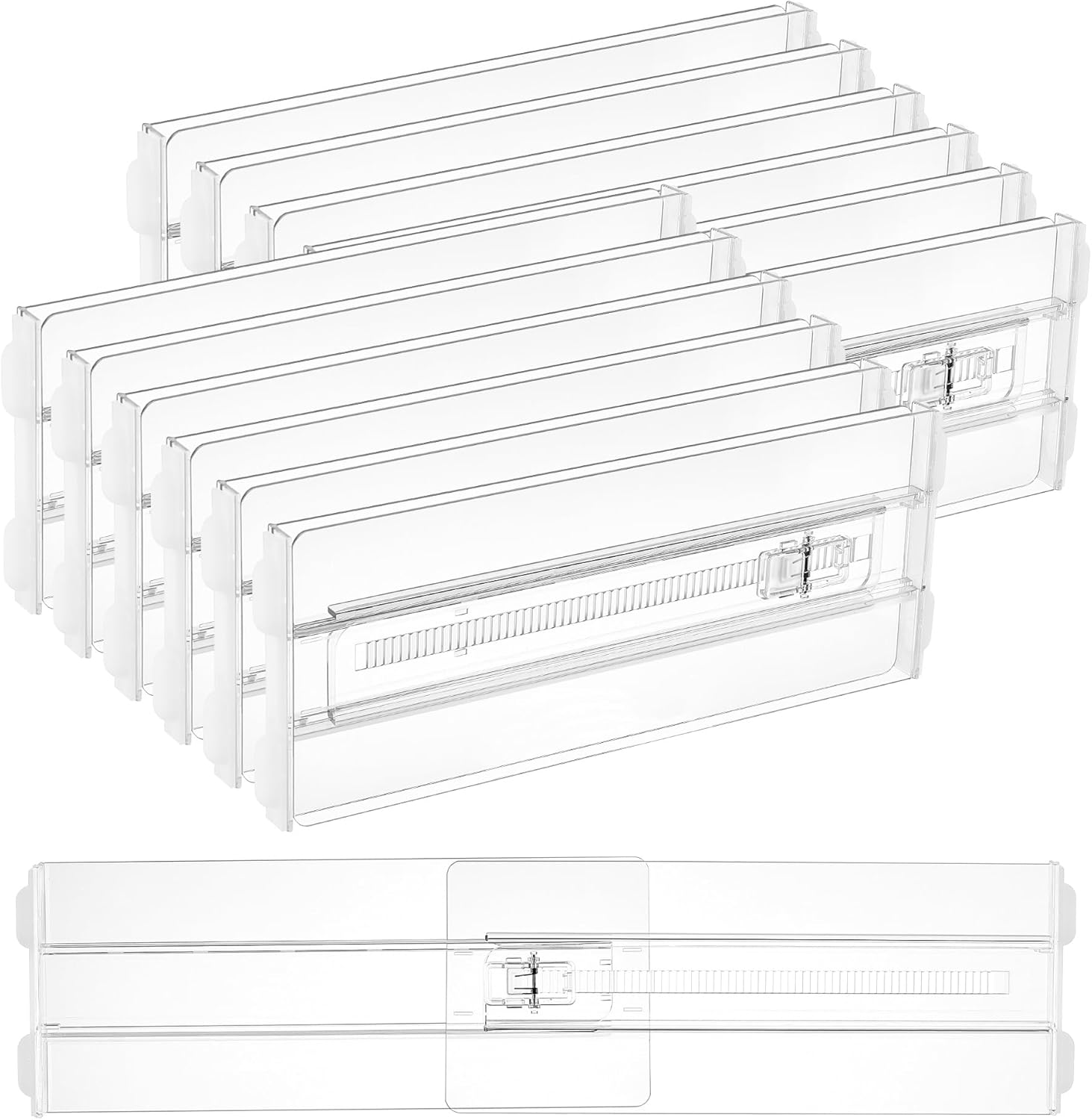
For example, drawer dividers help when a drawer already contains useful items but lacks boundaries. A slim rolling cart works when there is a narrow gap that could hold daily supplies. Motion-sensor lights help when a hallway, closet, or stair area is used often enough that flipping a switch becomes a small annoyance. Each item should have a job before it enters the house.
Organization That Stays Organized
Long-term organization depends on visibility, access, and easy reset. Clear bins, shallow trays, over-door hooks, and labeled containers work because they reduce the number of decisions required to put something away. Deep bins can be useful for seasonal storage, but they often fail in high-use spaces because items sink to the bottom and disappear.
When choosing storage, measure first. Product photos can make a basket or shelf look universal, but under-sink plumbing, cabinet hinges, door clearance, and baseboard height can change the fit. A practical organizer should leave enough room to reach what is behind it and should be easy to remove for cleaning.
Home test: if an item takes longer to reset than the mess it prevents, it probably will not survive daily use.
Cleaning Tools Worth Keeping Close
The best cleaning tools are the ones that live near the mess. A compact handheld vacuum is more useful when it is easy to grab for crumbs, pet hair, or car seats. A squeegee is more likely to be used if it hangs inside the shower. Countertop mats, sink guards, and cable boxes are quiet helpers: they prevent mess from spreading, which is often better than cleaning it later.
Look for washable materials, replaceable parts, and simple shapes without too many seams. A clever tool loses value if it traps grime or requires special cleaning. In small homes, collapsible or wall-mounted designs can be especially helpful because they save space when not in use.
Comfort and Safety Upgrades
Not every home essential is about storage. Night lights, non-slip mats, cable management, air quality devices, and easy-grip tools can make a home feel calmer and safer. These upgrades are especially valuable in shared homes where guests, children, or older relatives need spaces to be intuitive without explanation.
What to Avoid
- Storage products bought before measuring the space.
- Decorative bins that hide everyday items too well.
- Cleaning gadgets with filters or attachments that are hard to replace.
- Adhesive products used on delicate paint, wallpaper, or damp surfaces without checking compatibility.
Bottom Line
The most valuable home finds are usually modest. Choose items that reduce repeated effort, fit the exact space, and make it obvious where things belong. A home gets easier to live in when the systems are simple enough to maintain on an ordinary busy day.
5. Storage That Actually Works: Visibility and Access
| Storage Type | Best For | Avoid When |
|---|---|---|
| Clear bins | Items you need to see at a glance | Storing light-sensitive items |
| Deep bins | Seasonal storage, rarely used items | Daily-use items (things get lost at bottom) |
| Over-door hooks | Coats, bags, cleaning tools | Heavy items or narrow door clearance |
| Drawer dividers | Kitchen utensils, office supplies, small items | Items too tall for drawer height |
Frequently Asked Questions
What home organization products are actually worth buying?
Drawer dividers, over-door hooks, under-sink risers, and cable management boxes. Measure your space before buying — a product that doesn't fit becomes clutter rather than a solution.
How do I organize a small kitchen without cabinets?
Vertical storage: over-the-door organizers, magnetic knife strips, tiered spice risers. A rolling cart adds floor storage that can move out of the way. Keep frequently used items at eye level and within arm's reach.
Are motion-sensor lights worth it for home safety?
Yes for hallways, stairs, and bathrooms. They reduce tripping risk and help guests navigate unfamiliar spaces. Battery-powered options work well in rentals where you can't hardwire fixtures.
What cleaning tools should every home have?
Handheld vacuum for quick cleanups, microfiber mop for hard floors, squeegee for shower glass, and basic microfiber cloths. Keep tools near where they're used — a shower squeegee in the shower actually gets used.
As an Amazon Associate, Revitrix earns from qualifying purchases. Our editorial recommendations are made independently of affiliate relationships.
Sources & methodology
Product picks follow our editorial methodology—review aggregation, spec comparison, and gallery curator criteria—not paid placement.